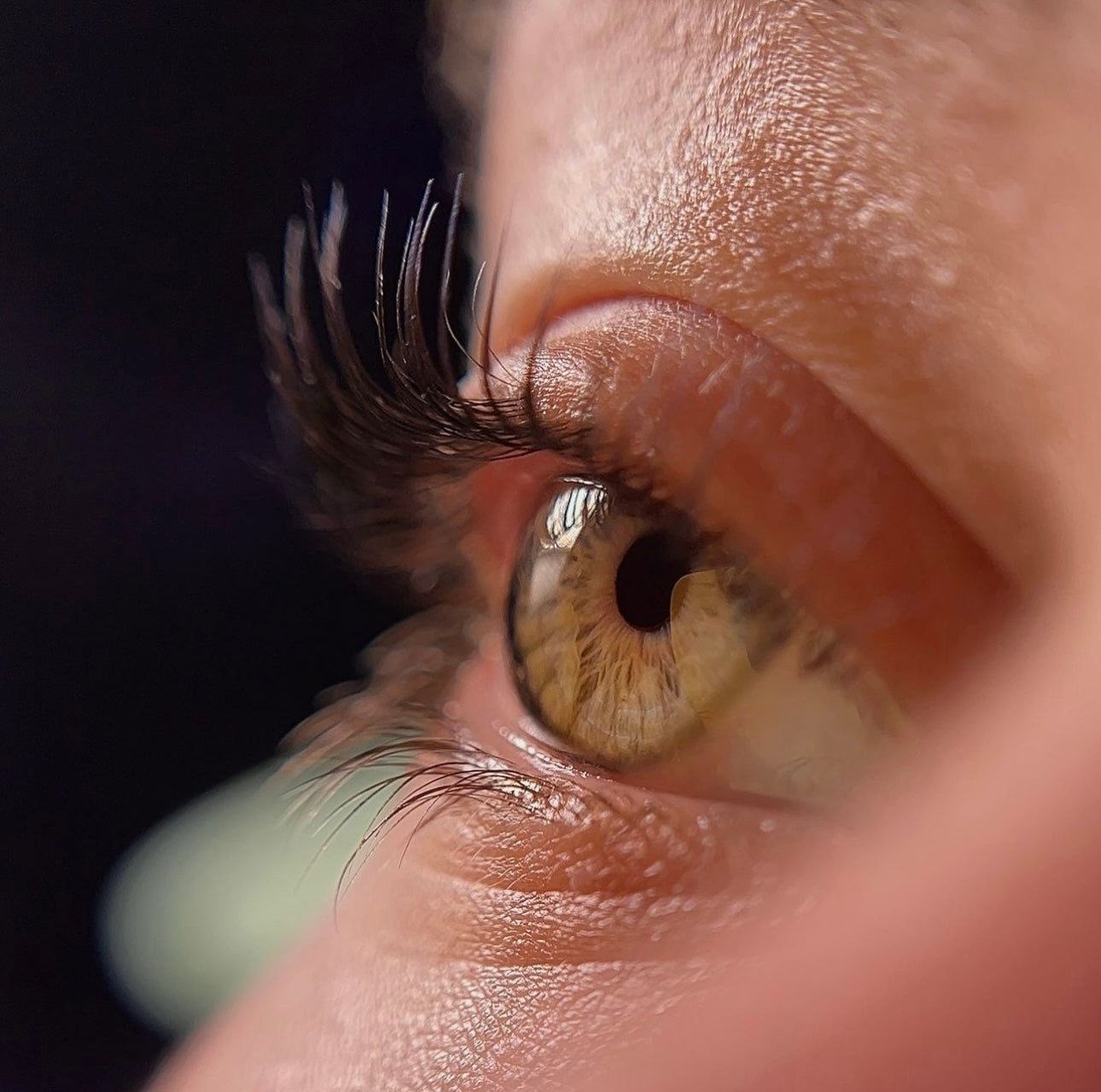



Properly applied lash extensions don't damage your natural lashes, but poorly applied ones absolutely can.
The difference comes down to technique: correct isolation, appropriate weight and length for your natural lash strength, and quality adhesive.
Below, we break down exactly what causes real damage, how to tell if your technician is doing it right, and the standard we hold ourselves to at Belris.

How Eyelash Extensions Work With Your Natural Lash Cycle
Your natural eyelashes follow a continuous growth cycle, shedding and regrowing roughly every 28–45 days, similar to the hair on your head, just on a faster cycle.
When an extension is properly isolated and bonded to a single mature natural lash, using the correct weight and length for that lash's strength, it sheds naturally along with the lash it's attached to, without interrupting the growth of the surrounding lashes still in an earlier stage of their cycle.
That's the science behind why well-applied extensions can be worn safely on an ongoing basis. It's also exactly where things go wrong when they're not applied correctly.
What Actually Causes Lash Extension Damage
Damage isn't random, it almost always traces back to one of these:
Poor isolation.
If a technician bonds an extension to more than one natural lash at once (common with rushed or inexperienced application), lashes at different points in their growth cycle get glued together. When one sheds, it can pull the other out with it before it's ready.
Wrong weight or length for your natural lashes.
Extensions that are too long, too thick, or too heavy for your natural lash to support put ongoing tension on the follicle. Over time, this can weaken and thin your natural lashes — this is the single most common cause of extension-related damage, and it's a judgment call that depends entirely on your technician's skill and honesty about what your lashes can handle.
Low-quality or excessive adhesive.
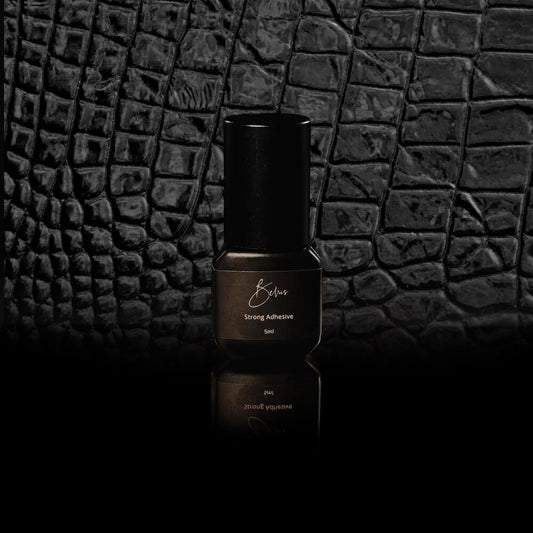
Adhesive applied too heavily, or of poor quality, adds unnecessary weight and can irritate the lash line, leading to premature shedding or reduced retention.
Improper removal.
Picking or pulling off extensions yourself, rather than having them professionally removed or letting them shed naturally, is one of the most common ways people damage their natural lashes, regardless of how well the extensions were applied in the first place.
No breaks between sets.
Continuous extension wear for months or years without ever giving your natural lashes a rest can, for some people, lead to gradual thinning over time, though this varies a lot by individual and how well the extensions were maintained.
Signs Your Extensions Are Being Applied Safely
A few things worth checking, whether at Belris or anywhere else:
-
Your technician isolates each natural lash individually before bonding — you should be able to see this happening if you ask.
-
Extensions feel comfortable, not heavy or tight, once applied.
-
You're offered (or can request) a patch test before your first full appointment.
-
Your technician asks about your natural lash health and adjusts style recommendations accordingly, rather than applying the same set to everyone.
-
You leave with clear aftercare instructions, not just a "you're all set."
The Belris Standard: How We Minimize Risk
At Belris, every service begins with an assessment of your natural lash strength, eye shape, and bone structure, so your set is sized appropriately rather than applied the same way for every client.
We use medical-grade, low-fume adhesives and ultra-soft, cruelty-free faux mink fibers to keep the process comfortable and reduce irritation risk.
We offer three core techniques, customized to your natural lashes and goals:
-
Classic — a strict 1:1 ratio, one extension bonded to one natural lash, for a natural, defined look.
-
Hybrid — a blend of classic extensions and handmade volume fans for texture without excess weight.
-
Volume — lightweight, ultra-fine fans (2D–6D) applied to each strong natural lash, for fullness without unnecessary tension.
For the full breakdown of every style we offer — including mega volume, wispy, cat eye, and colored — see our complete Lash Extension Style Guide →

Aftercare That Protects Your Natural Lashes
Good application is half the equation — how you care for extensions at home matters just as much:
-
Keep them dry initially. Avoid steam, water, and heavy sweating for the first 24–48 hours to let the adhesive bond fully cure.
-
Skip oil-based products. Oil breaks down lash adhesive — check that makeup removers, eye creams, and cleansers are oil-free.
-
Cleanse daily. Buildup of makeup, oil, and dead skin at the lash line can weaken the bond over time. Use a dedicated, extension-safe lash cleanser and gently brush through with a clean spoolie once dry.
-
Skip waterproof mascara. It requires harsh removal that can pull out extensions and natural lashes together.
-
Don't pick or pull. Let extensions shed naturally or have them professionally removed.
Is It Worth Taking a Break Between Sets?
If your natural lashes start feeling thinner or you notice more shedding than usual, a short break between sets can help them recover — this is a normal, reasonable thing to do and not a sign extensions are inherently bad for you. Many long-term clients simply alternate between extensions and a lower-commitment option like a lash lift or lash serum during breaks, rather than stopping altogether.

Frequently Asked Questions
Do eyelash extensions damage your natural lashes?
Not when applied correctly, proper isolation and appropriately sized extensions for your natural lash strength allow lashes to shed naturally without pulling out surrounding lashes. Damage typically comes from poor technique, incorrect sizing, or improper removal, not the treatment itself.
How do I know if my lash extensions were applied safely?
Look for proper individual isolation, a comfortable (not heavy or tight) feel once applied, a technician who assesses your natural lash health before recommending a style, and clear aftercare guidance.
What's the most common cause of lash extension damage?
Extensions that are too long, thick, or heavy for your natural lash to support, this creates ongoing tension on the follicle and is largely a matter of technician skill and honesty about what your lashes can safely handle.
Should I take a break from lash extensions?
If you notice increased shedding or thinning, a short break can help your natural lashes recover. Some clients alternate between extensions and a lash lift or serum rather than stopping entirely.
Are mink or faux mink lash extensions safe?
Faux mink (synthetic) fibers are a common, lightweight, cruelty-free option and are generally well tolerated. The safety consideration is really about application technique and adhesive quality, more than the fiber material itself.
Book a Consultation Built Around Lash Health
Ready to experience lash extensions applied with your natural lash health as the priority? Belris is located in Westwood and serves clients across Los Angeles.
📞 Call us at (310) 227-1648 or Book Your Consultation →